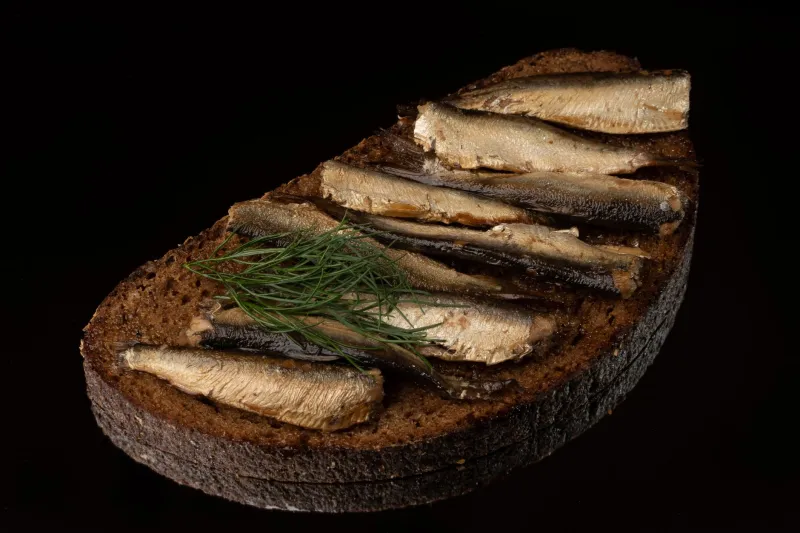
Nobody Brought a Charcuterie Board and Everyone Had a Better Time
Photo: Internet Archive Book Images, No restrictions, via Wikimedia Commons
There's a particular kind of American dinner party dread that sets in about forty-eight hours before the event. You've agreed to host, and now you're deep in a Pinterest spiral, pricing out specialty cheeses, and wondering if your apartment is too small for a grazing table. By the time your guests arrive, you're exhausted and slightly resentful of everyone who shows up empty-handed.
Scandinavians would find this whole situation baffling.
In Norway, Sweden, Denmark, and Finland, the dinner party is not a performance. It's a meal. That distinction — small as it sounds — changes everything about how the evening unfolds, how guests feel when they leave, and how much the host actually enjoys their own gathering.
Less Show, More Substance
The Nordic approach to hosting starts before anyone sets foot in the door. Where American hosts often default to abundance — more options, more courses, more impressive ingredients — Scandinavian hosts tend to do the opposite. They pick one or two things they genuinely cook well and do those things beautifully.
This isn't austerity. It's confidence. A slow-braised lamb with root vegetables, a really good sourdough, and a simple green salad with a sharp mustard dressing is a complete dinner. It doesn't need seven accompaniments or a printed menu card to feel generous. The generosity is in the quality of what's there, not the quantity.
That confidence also extends to the shopping. Nordic cooking leans heavily on seasonal, local ingredients — not because it's trendy, but because that's what's available and what tastes good. In practice, this means the menu is often decided by what looks best at the market that week, not by what will photograph well or impress someone who once ate at a Michelin-starred restaurant.
For American hosts trying to adapt this mindset, the shift is less about learning new recipes and more about giving yourself permission to serve fewer things with more intention.
The Table Doesn't Have to Be a Mood Board
Scan any Nordic home design philosophy — and yes, we're going there — and you'll notice a consistent thread: nothing is there just for decoration. The candles on a Swedish dinner table aren't styled. They're lit because the light is warm and the room feels better with them. The linen napkins aren't a statement. They're just napkins that happen to be linen.
This functional simplicity translates directly to the table setting. A Scandinavian dinner table tends to feel intentional without feeling curated. There might be a single seasonal element — a branch of something, a handful of berries, a small clay bowl — but it's not a centerpiece in the American sense. It's just something that belongs there.
For hosts who've been conditioned to believe the table needs to look a certain way before anyone sits down, this is genuinely liberating. The table exists to hold the food and give people a place to rest their elbows. That's enough.
Silence Is Not a Problem to Solve
Here's the part that trips up a lot of Americans: Scandinavian dinner parties are comfortable with quiet.
In American social culture, silence at the table is treated as a failure — a gap to be filled, a lull to be rescued. Hosts feel responsible for keeping the conversation moving, which often means talking more than they want to and listening less than they should.
Nordic social norms don't carry that same anxiety. A pause in conversation isn't awkward; it's just a pause. People eat. They think. They speak when they have something worth saying. This creates a different quality of conversation — slower, more considered, less performative.
It also means the host isn't working the room like a late-night talk show. They can sit down, eat their own food, and actually be present with the people they invited over.
If you want to try this at your next gathering, the trick is to resist the urge to fill every silence. Let it sit for a moment. See what comes next. You might be surprised how much better the conversation gets when nobody feels obligated to keep it going.
Drinks Without the Drama
The Scandinavian approach to drinks at dinner is similarly uncomplicated. There's often wine, sometimes beer, always water. The aquavit might come out at some point, usually with a toast and a song if you're lucky. But the drinks aren't a whole production.
In contrast, the American dinner party has increasingly turned the pre-dinner drink situation into its own event — signature cocktails, elaborate mocktail menus, a full bar setup that requires its own table. All of that is fun, but it also adds pressure, cost, and the distinct possibility that everyone is slightly too drunk before the food even arrives.
Keeping it simple — a bottle or two of something good, opened and on the table — removes a layer of hosting stress and keeps the focus where it belongs: on the meal and the people eating it.
The Goodbye Is Part of the Evening
One last thing worth borrowing from the Nordic playbook: the ending of the dinner is treated as genuinely important. Guests don't just drift toward the door. There's a natural close to the evening — often with coffee and something small and sweet — and when it's time to go, people actually say goodbye properly.
This might sound minor, but it gives the whole evening a shape. It has a beginning, a middle, and an end. Everyone leaves feeling like something complete happened, not like they just gradually stopped hanging out.
For a culture that often struggles to end social events gracefully, this is one of the most transferable Scandinavian habits there is. Serve the coffee. Eat the cookies. Let the evening finish on its own terms.
The goal of a dinner party was never to impress anyone. It was to feed people well and spend time together. Scandinavia never forgot that.