Nordic Food Is So Much More Than Meatballs — Here's What You're Missing
Let's be honest. For most Americans, "Scandinavian food" conjures one of two images: a plate of those little Swedish meatballs from the IKEA cafeteria, or a jar of pickled herring that someone's grandfather brought to a holiday party and nobody touched. It's not a flattering picture — and it's wildly incomplete.
Nordic cuisine, in its full regional complexity, is one of the most thoughtfully constructed food cultures in the world. It predates the farm-to-table movement by centuries, takes fermentation to places that would make Brooklyn food writers weep with envy, and has produced some of the most celebrated restaurant kitchens on the planet. And yet, in the US, it remains one of the most misunderstood.
Time to fix that.
The Five Regions Are Not the Same Thing
First, a geography lesson that matters a lot when you're talking about food. "Scandinavian cuisine" is a catch-all term that flattens enormous regional variation. Norwegian coastal cooking — heavy on cured fish, dried cod, and the briny influence of the North Sea — is quite different from the forested, game-heavy traditions of interior Sweden. Danish food leans toward dairy richness and open-faced sandwiches. Finnish cuisine brings wild mushrooms, rye, and a love of root vegetables that reflects a harsher inland climate. Iceland, technically Norse rather than Scandinavian, has its own fermented shark traditions that are very much their own category.
The point is: these are distinct food cultures with distinct ingredients, techniques, and identities. Lumping them together is a bit like saying French and Spanish food are basically the same because they're both European.
What Actually Defines Nordic Cooking
Strip away the regional differences and a few core principles emerge that tie Nordic food traditions together.
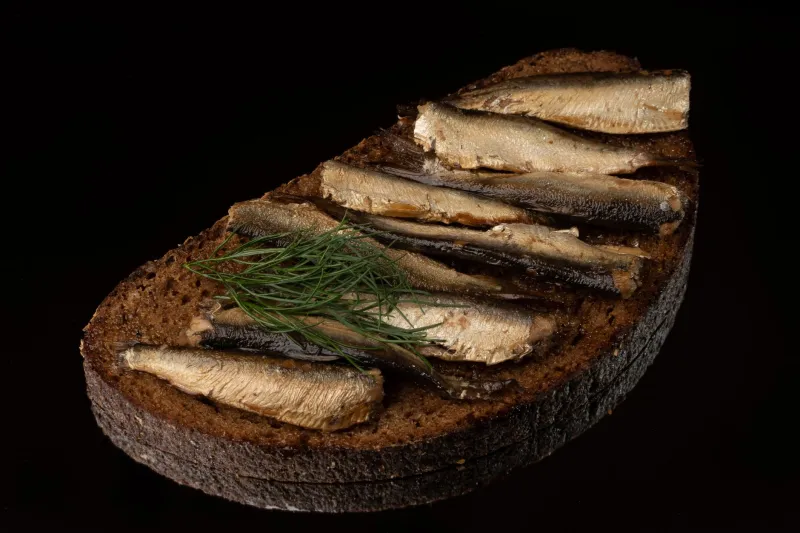
Preservation is an art form. Before refrigeration, Scandinavian communities survived long winters by mastering fermentation, curing, smoking, and drying. Gravlax — that silky, dill-cured salmon you've probably had at a brunch — is a preservation technique, not a recipe invented for fancy restaurants. So is the Norwegian tradition of rakfisk (fermented trout), Swedish surströmming (fermented herring, famously pungent), and Danish leverpostej (a smooth liver pâté that's eaten on dark rye bread the way Americans eat peanut butter).
Seasonality isn't a trend — it's survival logic. Nordic cooks have always worked with what's available, because the alternative was going hungry. Spring brings nettles, ramps, and the first fresh herbs. Summer is short and furious — berries, new potatoes, fresh fish. Autumn means mushrooms, root vegetables, and game. Winter is for preserved goods and hearty braises. This rhythm is baked into the culture in a way that no amount of "seasonal menu" marketing can replicate.
Fat is not the enemy. Butter, cream, and lard are foundational. Nordic diets historically relied on calorie-dense foods to fuel people through physical labor in cold climates. This isn't unhealthy nostalgia — it's context. And it produces food that is deeply, unapologetically satisfying.
New Nordic: The Movement That Changed Everything
In 2004, chef René Redzepi opened Noma in Copenhagen, and the global food conversation shifted. New Nordic cuisine — hyper-local, foraged, fermented, and obsessively seasonal — became the most talked-about culinary movement of the 21st century. Noma has topped "World's Best Restaurants" lists multiple times, and its influence has rippled out to kitchens everywhere.
But New Nordic isn't just a restaurant style. It's a philosophy that reconnected modern chefs with traditional Nordic ingredients and techniques, often long forgotten. Ingredients like wood sorrel, sea buckthorn, Douglas fir tips, and fermented black garlic entered the conversation not as novelties but as rediscoveries.
Chef Magnus Nilsson, whose restaurant Fäviken in rural Sweden became a pilgrimage destination before it closed in 2019, embodied this approach. His food was rooted in the specific landscape of Jämtland — the animals, plants, and preservation techniques of that exact place. It was as far from a generic "Scandinavian restaurant" as you could get.
Where to Eat Nordic Food in the US Right Now
You don't have to book a flight to Copenhagen to taste what Nordic cuisine is actually about. A growing number of American chefs are doing serious work with these traditions.
-
Aquavit (New York City) — Probably the most famous Nordic restaurant in the US, Aquavit has been bringing Scandinavian fine dining to Manhattan since 1987. Chef Emma Bengtsson, the second woman in the US to earn two Michelin stars, runs a kitchen that honors tradition while pushing boundaries.
-
Broder (Portland, OR) — A beloved neighborhood spot in Portland that does Scandinavian comfort food with genuine affection — open-faced sandwiches, gravlax, and house-made cardamom pastries.
-
Bachelor Farmer (Minneapolis, MN) — Minneapolis has a deep Scandinavian-American heritage, and Bachelor Farmer leans into it with a modern, locally sourced menu that feels both regional and distinctly Nordic.
A Simple Recipe to Start: Quick Gravlax
You don't need a restaurant to experience Nordic food at its best. Gravlax is one of the easiest impressive things you can make at home.
Ingredients:
- 1 lb fresh, sushi-grade salmon fillet, skin on
- 3 tablespoons kosher salt
- 2 tablespoons sugar
- 1 tablespoon cracked black pepper
- Large bunch of fresh dill
Method: Combine salt, sugar, and pepper. Coat the salmon generously on all sides. Lay half the dill in a glass dish, place the salmon on top, cover with remaining dill. Wrap tightly in plastic and refrigerate for 48 hours, flipping once. Slice thinly against the grain and serve on dark rye with crème fraîche and a squeeze of lemon.
That's it. That's a thousand years of Nordic food culture in your refrigerator.
The Aquavit Question
No guide to Scandinavian food culture is complete without addressing the spirit that defines Nordic table culture: aquavit. Distilled from grain or potato and flavored with caraway, dill, anise, or fennel, aquavit is the schnapps of Scandinavia — served ice-cold in small glasses, often alongside a smørrebrød spread or a holiday feast.
In the US, aquavit has had a quiet resurgence. Linie Aquavit (Norwegian), O.P. Anderson (Swedish), and American-made Gamle Ode Dill Aquavit are all worth tracking down. Drink it neat and cold. Pair it with pickled fish or cured meats. You'll get it immediately.
Nordic food, at its heart, is about honesty — honest ingredients, honest technique, and honest pleasure. No foam required.