Cozy Is a State of Mind: The Real Psychology Behind America's Hygge Obsession
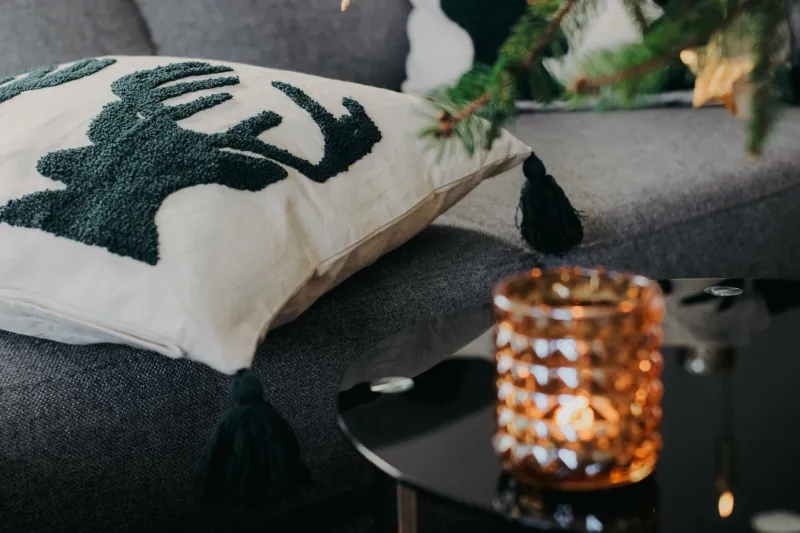
Walk into any Target or scroll through Instagram on a rainy October afternoon and you'll find it: chunky knit blankets, pillar candles, steaming mugs staged just so. The word hygge — roughly pronounced "hoo-gah" — has been slapped on everything from bath products to real estate listings. But here's the thing: if you've only ever bought a scented candle and called it hygge, you've kind of missed the point entirely.
And that's not a criticism. It's actually fascinating psychology.
What Hygge Actually Means (Hint: It's Not a Vibe)
The Danish concept of hygge has no perfect English translation, which is part of why it's so hard to commodify — though Lord knows people have tried. At its core, hygge describes a quality of warmth, connection, and psychological ease shared between people in a given moment. It's less about your throw pillow situation and more about feeling genuinely safe, present, and unhurried.
Dr. Meik Wiking, CEO of the Happiness Research Institute in Copenhagen and author of The Little Book of Hygge, has described it as "the art of creating intimacy" — a social and emotional experience rather than an interior design choice. Danish culture treats hygge as something you do together, not something you buy alone.
So why did America latch onto the aesthetic version so hard?
The Science of Feeling Safe
Psychologists point to something called "environmental comfort" — the measurable effect that physical surroundings have on our nervous systems. Warm lighting, enclosed spaces, soft textures, and familiar smells all activate the parasympathetic nervous system, the part of your brain responsible for rest and recovery. In a country where chronic stress affects an estimated 77% of adults (according to the American Psychological Association), it makes complete sense that people are hunting for anything that promises a little relief.
"Americans are overwhelmed," says interior designer Astrid Holmgren, who grew up in Oslo and now runs a design studio in Minneapolis. "When hygge went mainstream around 2016 and 2017, people weren't just buying candles. They were buying the idea that it was okay to slow down. That's powerful."
Holmgren is careful to distinguish between hygge-inspired design and hygge itself. "In Scandinavia, we don't really talk about hygge as a design style. We talk about it as a feeling you create with people. The aesthetics support that — they're not the point."
Why America Keeps Getting It Half Right
The commercialization of hygge in the US is, in many ways, a product of American consumer culture doing what it does best: turning an abstract emotional need into a purchasable solution. When The New York Times and Oprah Magazine both declared hygge a major trend in the same year, the market responded instantly.
But here's where behavioral psychology gets interesting. Research on what's sometimes called "surrogate satisfaction" suggests that buying objects associated with a desired emotional state can temporarily scratch the itch — but it doesn't address the underlying need. You can buy every Scandinavian-adjacent home accessory on the market and still feel disconnected and burned out, because what you actually needed was time, presence, and community.
That's the gap between American hygge and Danish hygge.
What Nordic Designers Actually Do Differently
Scandinavian homes are famous for their clean lines and natural materials — and that's intentional. Nordic design philosophy, rooted in the functionalist movement of the early 20th century, holds that your environment should serve your life, not perform for it. Nothing in a well-designed Danish home is there purely for show.
Holmgren describes the principle simply: "We ask, does this object make the people in the room feel more comfortable? More themselves? If not, it doesn't belong."
Practically, this translates to a few key ideas Americans can actually use:
-
Light matters more than almost anything else. Nordic countries deal with brutal winters, so they've mastered the use of warm, layered lighting — multiple light sources at low heights, never harsh overhead fluorescents. Swap your ceiling fixtures for floor lamps and table lamps and you'll feel the difference immediately.
-
The table is sacred. Hygge happens most reliably around food and drink shared with others. A long dinner with no phones, no agenda, no rush — that's hygge. The candles on the table are just the backdrop.
-
Comfort over perfection. Nordic homes tend to show signs of life — worn wooden tables, well-used blankets, books left out. The American instinct to stage and perfect a space actually works against the feeling you're chasing.
Building Hygge Into Your Actual Life
Psychologist Dr. Jennifer Moss, who studies workplace wellbeing and writes about the connection between belonging and mental health, notes that hygge aligns closely with what researchers call "psychological safety" — the feeling that you can be yourself without judgment. "The environments that produce this feeling tend to be warm, low-pressure, and socially intimate," she says. "That description fits a hygge gathering pretty exactly."
So what can US readers do that goes beyond the candle haul?
Start with people. Invite two or three friends over on a weeknight — not for a dinner party with a menu and expectations, but for soup and bread and a couple of hours with no particular plan. Turn off the overhead lights. Put your phones in another room. Let the conversation go wherever it wants.
Then think about your everyday spaces. Is your living room designed for watching TV or for sitting with someone? Small shifts — a chair angled toward the couch, a small side table for drinks, a lamp instead of the big light — can change how a room feels to be in.
Finally, resist the urge to purchase your way into the feeling. The irony of hygge's American popularity is that the more you try to buy it, the further you get from it. The Danes have known this all along — which is probably part of why Denmark keeps showing up near the top of global happiness rankings year after year.
The fjord doesn't come with the furniture. But the feeling? That one's actually available to all of us.