Hosting the Nordic Way: The Dinner Party That Actually Lets You Show Up
Ask most Americans why they don't host more often and you'll hear a version of the same answer: it's too much work. The cooking, the cleaning, the coordinating, the pressure to have enough of everything, the anxiety about whether it all looks right. By the time the guests arrive, the host is already exhausted and slightly resentful, performing enjoyment rather than actually having it.
Scandinavians look at that dynamic and find it genuinely baffling.
Not because they don't care about hospitality — they care deeply. But the Nordic version of caring about your guests starts from a completely different premise. The goal isn't to impress. It's to connect. And those two things, it turns out, require almost opposite approaches.
The Philosophy First
Swedish entertaining culture has a concept embedded in it that doesn't have a clean English translation but roughly means: a good host is a present host. The idea is that your job, once people arrive, is to be with them — not managing a production in the background.
This shapes everything downstream. If the food requires constant attention, the host is in the kitchen while the guests are in the living room. If the table is so elaborate that clearing it becomes an event, the evening loses momentum. If the menu is ambitious enough that something could go wrong, the host spends the whole night quietly managing anxiety instead of actually talking to anyone.
Simplicity, in this framework, isn't a compromise. It's the whole point.
What Nordic Entertaining Actually Looks Like
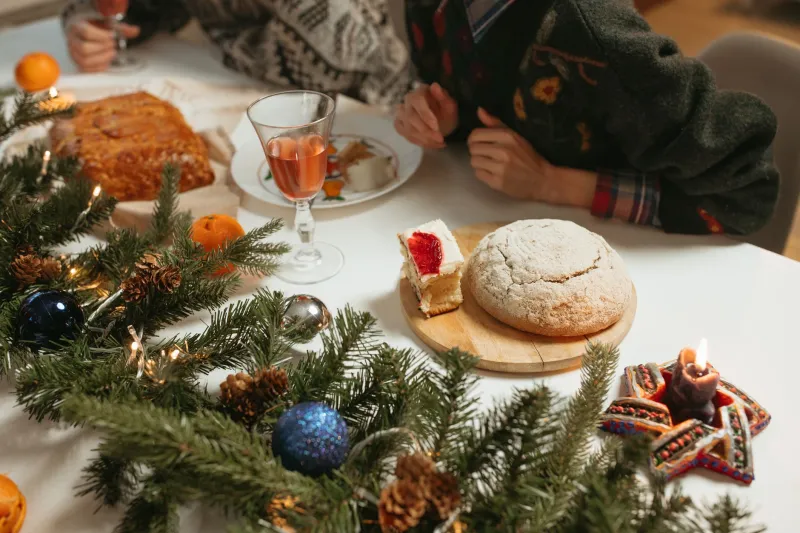
A typical Danish dinner gathering — not a special occasion, just a regular evening with friends — might involve one main dish, served family-style, with good bread and a simple salad. Wine or beer that nobody overthought. Maybe something sweet at the end, maybe not.
The table is set, but not styled. The food is good, but not elaborate. The conversation starts before anyone sits down and continues long after the plates are cleared. Nobody is photographing the spread. Nobody is apologizing for what they didn't have time to make.
Contrast that with the average American dinner party, which has quietly evolved into a competitive sport. The grazing table. The signature cocktail. The dietary restriction matrix. The dessert that required a kitchen thermometer. All of it well-intentioned, all of it communicating the same thing: I worked very hard for you. Which, ironically, puts a kind of pressure on guests that makes them feel like they owe the host something rather than just enjoying their company.
The Psychology of Minimalist Gathering
There's research behind why simpler gatherings often feel better. Decision fatigue is real — when guests are confronted with too many options (six appetizers, four drink choices, a dessert table), it creates a low-level cognitive load that actually interferes with relaxation and conversation. The brain keeps making small choices instead of settling into the evening.
Simplicity removes that friction. When there's one thing to eat and one thing to drink, everyone relaxes into it. Conversation fills the space that food decisions would otherwise occupy.
There's also something to be said for the psychological effect of watching a host who is clearly at ease. Anxiety is contagious in social settings. When guests sense that the person who invited them is stressed, they unconsciously calibrate their own comfort level downward. A host who is genuinely relaxed — because they're not managing a twelve-component meal — gives everyone else permission to relax too.
The Nordic Approach to the Menu
So what does a Nordic-inspired menu actually look like for an American host?
Start by cutting your planned dishes in half. Whatever you were going to make, make less of it. Depth over breadth — one really excellent roast chicken with good vegetables beats three mediocre dishes every time.
Lean into things that work without supervision. Braises, slow-roasted meats, grain salads, and hearty soups are the backbone of Nordic home cooking precisely because they improve with time and don't require hovering. You make them before guests arrive and they take care of themselves.
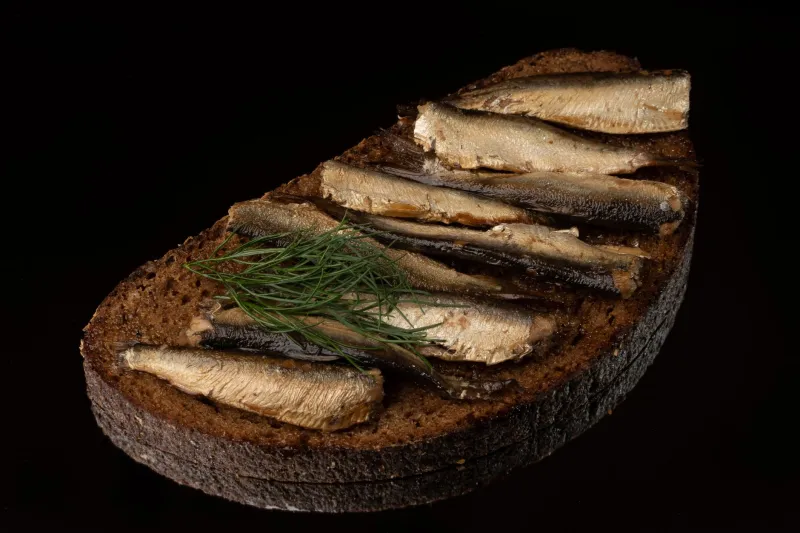
Good bread deserves more credit than it gets. A beautiful sourdough loaf on the table does more atmospheric work than almost any appetizer you could spend an hour assembling. Same goes for quality butter, good cheese, and simple pickled things — all of which are Nordic pantry staples that require zero day-of effort.
For dessert, consider the Scandinavian instinct toward restraint. A bowl of good dark chocolate. Seasonal fruit with cream. A single cake that you made or bought two days ago and stopped worrying about. The goal is something that lands softly at the end of the evening, not a grand finale.
Setting the Room, Not the Stage
Nordic table-setting tends toward warmth over formality. Candles are non-negotiable — not as decor but as functional light that makes everyone look better and feel more at ease. A linen tablecloth, even a slightly wrinkled one, signals care without trying too hard. Flowers from the grocery store in a simple vase. Nothing that required a trip to a specialty store.
The seating arrangement matters more than most Americans realize. Nordic hosts tend to think about conversation flow — who will draw out whom, where the energy will come from, how to mix people who don't already know each other. This is a form of hospitality that costs nothing and pays off all evening.
The Part Where You Actually Enjoy Your Own Party
Here's the thing that gets lost in American entertaining culture: you're a guest at your own dinner party. Not in a passive sense — you're still the host — but in the sense that the evening should be something you're part of, not something you're producing.
Nordic hosts tend to draw a firm line between preparation time (before guests arrive) and hosting time (after they do). Once people walk in, the kitchen work is essentially done. Anything that requires significant attention after that point is something that probably shouldn't have been on the menu.
If you find yourself disappearing into the kitchen for twenty-minute stretches while your guests make awkward conversation without you, the problem isn't your cooking skills. It's the menu design.
An Invitation Worth Accepting
The best dinner parties aren't the most elaborate ones. They're the ones where you left feeling like you actually spent time with the people who invited you — where the food was good enough to enjoy without being the point, where the host seemed genuinely happy to see you rather than quietly relieved that nothing had gone wrong.
That's what Nordic entertaining is actually optimizing for. Not the table. Not the menu. The room, and the people in it.