Alone But Never Lonely: The Scandinavian Art of Being Okay With Just Yourself
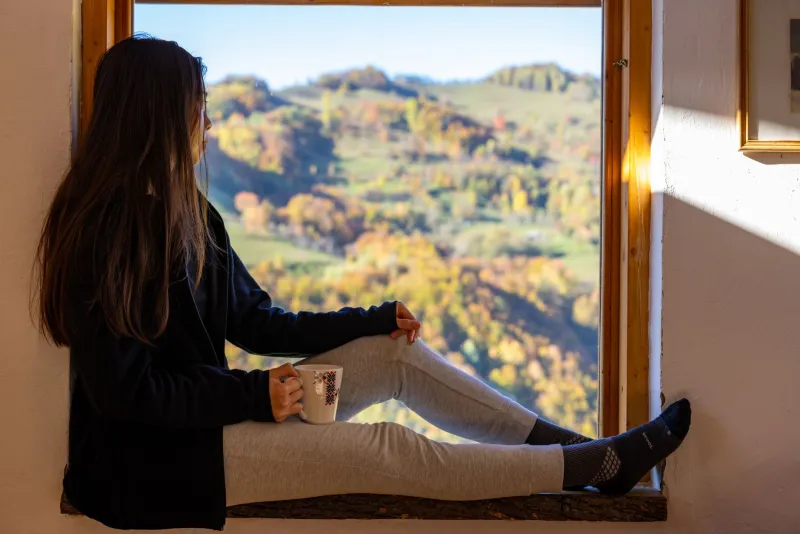
There's a particular kind of panic that sets in for a lot of Americans when plans fall through on a Friday night. Suddenly, a free evening transforms into evidence of something — that you don't have enough friends, that you're falling behind socially, that being alone means something is wrong. You scroll through Instagram, you text three people who are busy, and somehow a quiet night at home starts to feel like a character flaw.
Scandinavia, for the most part, finds this exhausting.
Across Norway, Sweden, Denmark, and Finland, there's a deeply embedded cultural understanding that time spent alone isn't a consolation prize. It's not what happens when your social life fails you. It's a legitimate, even necessary, mode of being — something to be sought out rather than endured. And the difference between that kind of intentional solitude and genuine loneliness? Nordic cultures have been sitting with that question for generations.
Two Words That Don't Translate Easily
Language is usually where these cultural gaps become visible. While English lumps a lot of emotional experience under the word "lonely," Nordic languages tend to carry more nuance in how they describe states of aloneness. In Norwegian and Danish, for instance, the distinction between being physically alone (alene) and feeling emotionally isolated carries real social weight. Being alone is neutral — sometimes even desirable. Feeling lonely is the problem, and the two aren't assumed to go hand in hand.
This might seem like a small linguistic detail, but it shapes behavior in meaningful ways. When solitude isn't automatically coded as sad or worrying, people feel less pressure to perform constant sociability. You don't need to narrate your solo coffee run on social media to prove it was worthwhile. You don't have to drag a friend along to a museum just to avoid looking like you have no one to call.
The solo experience becomes valid on its own terms.
The Pressure to Always Be "On"
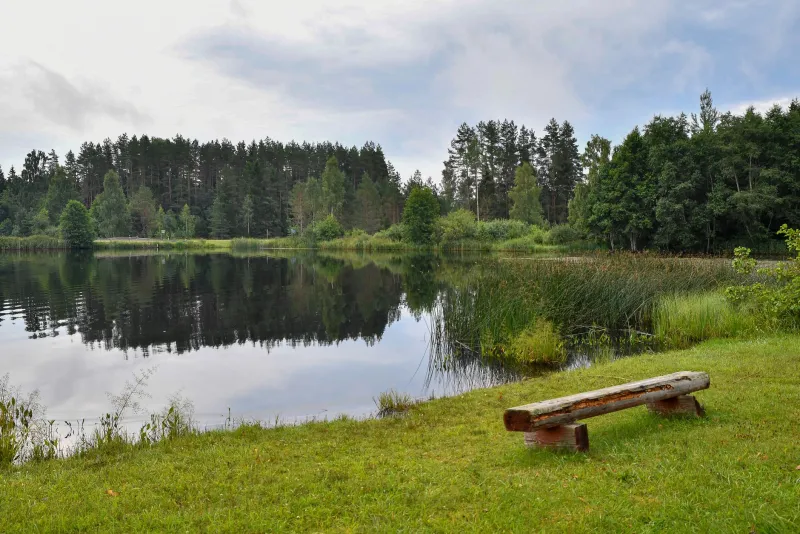
American social culture has a complicated relationship with downtime. There's a persistent anxiety around being seen alone — eating at a restaurant solo, going to a movie by yourself, taking a solo trip. These activities carry an unspoken stigma that, frankly, doesn't exist at the same intensity in Nordic countries. In Oslo or Stockholm, a person reading alone at a café for two hours isn't an object of pity. They're just a person reading at a café.
Part of what drives the American discomfort is the cultural equation of busyness and social activity with success. If your calendar is full and your group chat is active, you're doing life right. Quiet time — especially quiet time alone — can feel like falling off the grid in a way that makes people nervous.
Nordic cultures, by contrast, tend to view the ability to be comfortable with yourself as a form of emotional maturity. It's not antisocial. It's self-sufficient in a way that's genuinely respected.
Solitude as a Social Skill
Here's where it gets interesting: the Scandinavian comfort with solitude doesn't produce more isolated people. If anything, it seems to produce better social connections — ones built on genuine desire rather than obligation or fear of being alone.
When you're not desperately filling every quiet moment with social noise, the time you do spend with others tends to mean more. Relationships in Nordic cultures often have a reputation for being slower to develop but deeper once they do. There's less of the surface-level constant-contact dynamic that American friendships sometimes fall into, where you're in touch every day but rarely say anything real.
Solitude, in this framework, becomes a kind of reset. It's the space in which you figure out what you actually think, what you actually want, and who you actually want to spend your limited time with. That clarity tends to make the social time richer.
What Loneliness Actually Looks Like
None of this is to say that Scandinavia has solved loneliness — it hasn't, and Nordic countries grapple with social isolation just like everywhere else, particularly among elderly populations and new immigrants. But the cultural framework for thinking about aloneness does offer something useful: a way of separating the experience of being physically alone from the emotional state of feeling unseen or disconnected.
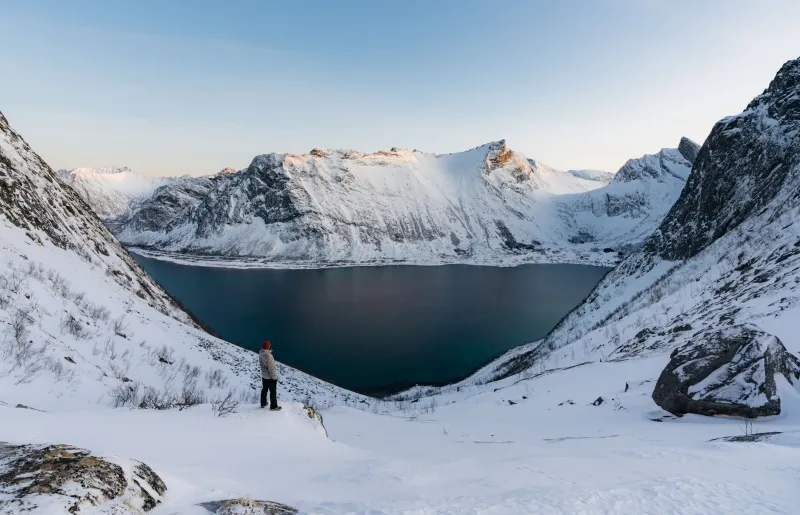
Loneliness, in the Nordic understanding, is about the absence of meaningful connection — not the absence of people in the room. You can be lonely at a party. You can be perfectly content alone on a Sunday morning hike. The headcount is almost beside the point.
This reframe matters because it directs attention toward what actually alleviates loneliness: quality connection, being known by someone, having relationships with depth. Not just more plans, more noise, more social activity for its own sake.
Practical Shifts Worth Borrowing
You don't need to move to Bergen to apply any of this. A few small shifts in how you think about alone time can genuinely change your relationship to it.
Stop treating solo activities as a backup plan. Book the solo dinner. Take the weekend trip by yourself. Do it because you want to, not because no one else was available. The framing matters.
Give yourself permission to leave social events early — or skip them entirely. Nordic cultures tend to be fairly direct about energy limits. Attending something out of obligation, staying longer than you want, and then resenting the whole experience is not actually a social win.
Notice the difference between restful solitude and avoidant isolation. The Nordic model isn't about withdrawing from the world indefinitely. It's about choosing your alone time with intention, the same way you'd choose your social time. If solitude starts to feel like hiding, that's worth paying attention to.
Invest in fewer, deeper connections. Rather than maintaining a wide network of surface-level relationships that demand constant upkeep, consider where your real investment goes. Two or three people who genuinely know you will do more for your sense of connection than a packed social calendar ever will.
The Bigger Picture
There's something quietly radical about a culture that trusts its people to be alone without falling apart. It assumes a baseline of self-sufficiency and emotional groundedness that American culture, for all its emphasis on individualism, doesn't always extend in practice.
The Nordic approach to solitude isn't about being cold or closed off. It's about understanding that the relationship you have with yourself is the foundation everything else is built on. When that relationship is solid — when you can sit with your own company and not find it lacking — the connections you build with others tend to be a lot more honest.
And honestly? That sounds like a pretty good Friday night, with or without plans.